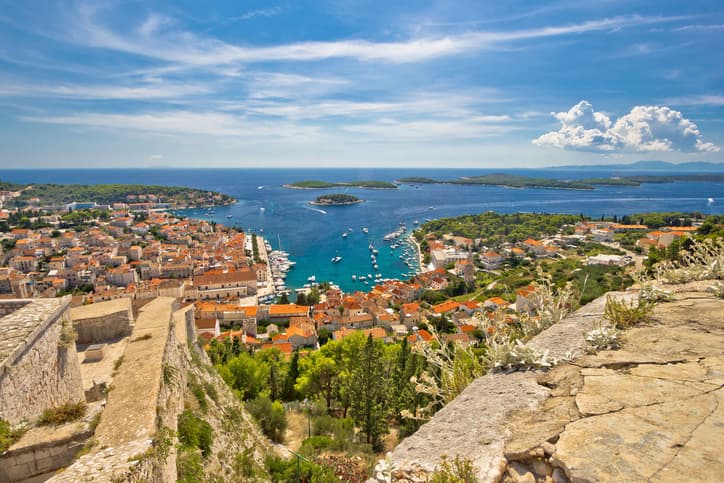
Weather Forecast on the Adriatic: What Every Boater Must Know About Bura and Jugo
Sailing the Adriatic is a wonderful experience, but the sea requires respect and constant vigilance. The weather on the Adriatic can change in a very short time, and knowing local winds and reading the weather forecast are the basis of safety for every boater. The two most dominant and important winds that every captain must know everything about are the bura and the jugo. While one brings clarity and cold, the other brings moisture, waves, and a change in mood. Understanding their nature will help you plan safe routes and choose the right anchorages for a peaceful sleep.
Bura – The Unpredictable Queen of the Adriatic
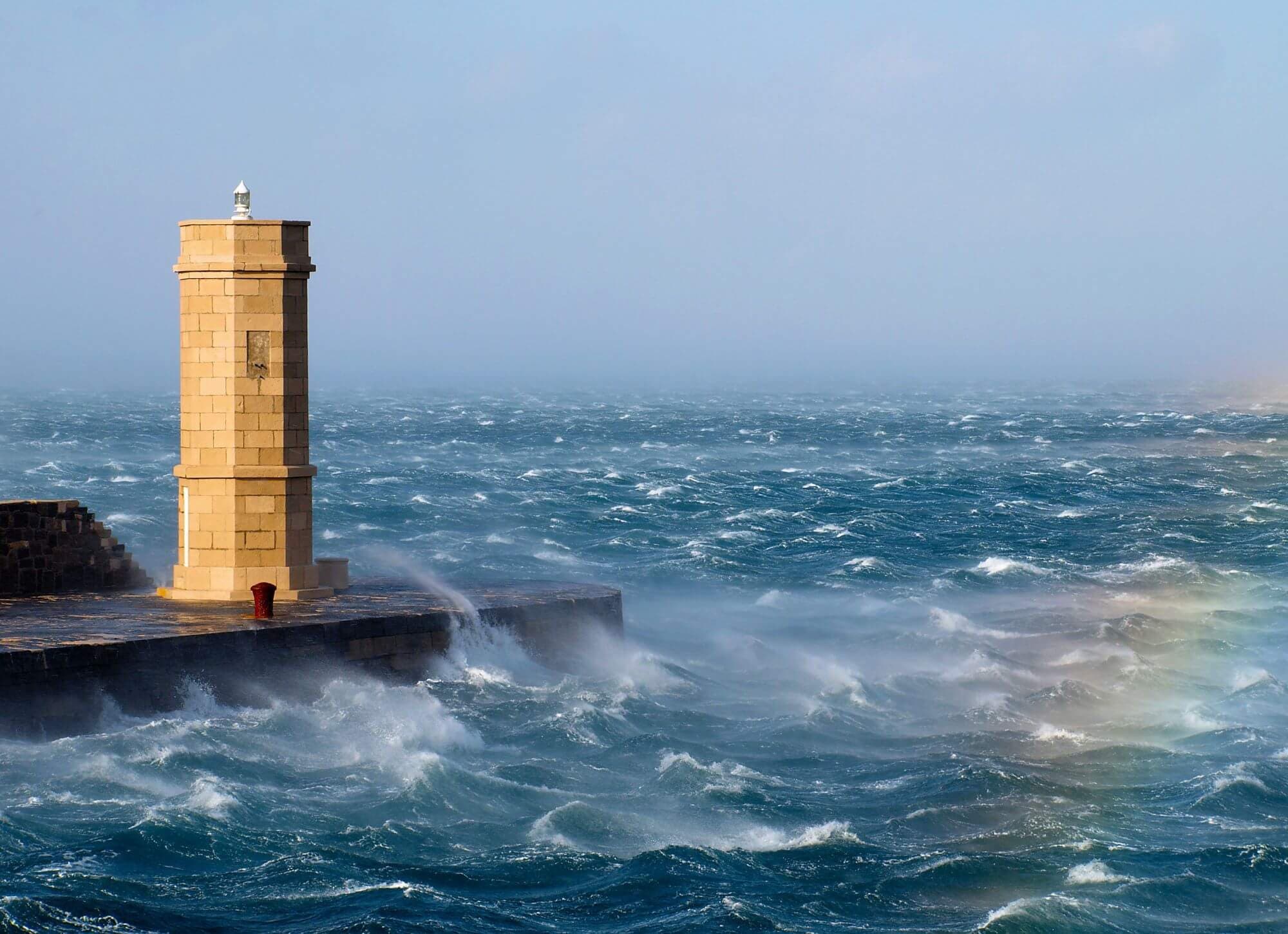
The bura is a dry, cold wind that blows from the land towards the sea. It is known for its strength and sudden gusts (refuli) that can reach hurricane speeds. The bura blows in intervals and is strongest beneath mountain ranges like Velebit and Biokovo. Although it brings crystal clear skies and excellent visibility, it is the most dangerous for boaters because it can appear 'out of the blue'. The main sign of the bura's arrival is the appearance of cloud 'caps' on the peaks of coastal mountains. When you see these clouds, it's time to seek shelter on the western coasts of islands or in deep bays open to the south.
Jugo – The Moist Wind from the Open Sea
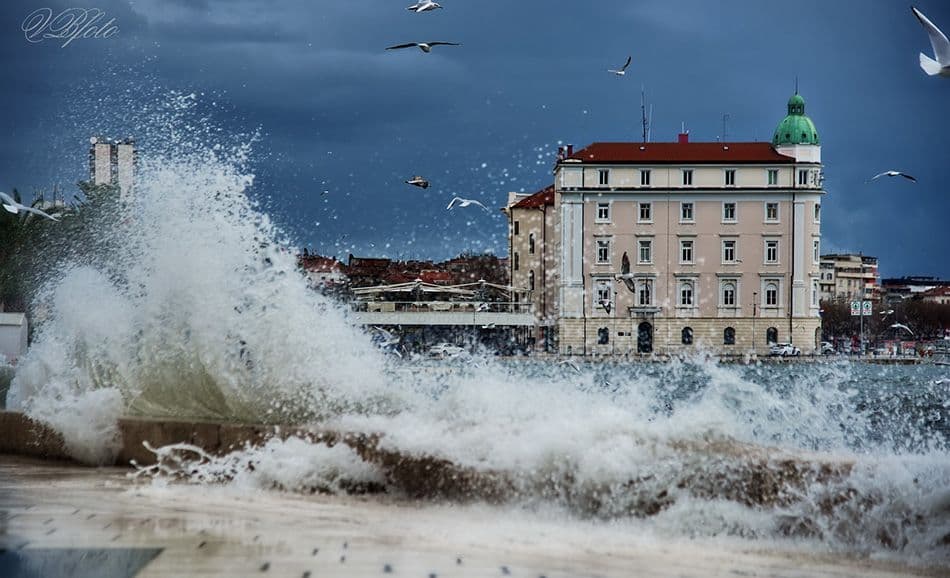
The jugo is a warm, moist south-easterly wind that blows from the open sea towards the coast. Unlike the bura, the jugo rarely starts suddenly; it gradually strengthens over several days, creating large and regular waves. The jugo brings low cloud cover, rain, and a drop in air pressure. Boaters often dislike it because of the 'heavy' weather and moisture, but it is more predictable than the bura. The main signs of the jugo are a hazy sky on the horizon and a sudden rise in sea level (high tide). When the jugo blows, safe shelter should be sought in ports open to the north or bays protected from south-easterly winds by high hills.
Useful Tools and Apps
Today boaters have access to excellent digital tools. The most reliable source for the Croatian coast is the DHMZ (State Hydrometeorological Institute), which issues special warnings for mariners via radio stations and its website. Of the mobile apps, 'Windy' is an essential tool for visualizing wind direction and strength, while the 'Aladin' model (available on DHMZ sites) is the most accurate for predicting local winds on the Adriatic. However, technology does not replace experience – always observe the horizon and ask local fishermen for advice if you are not sure about the conditions.
Conclusion
Safety at sea starts with information. Regularly following the forecast, understanding the difference between bura and jugo, and respecting the power of nature will ensure you have a carefree holiday on a boat. The sea gives us incredible freedom, but only if we are ready to listen to what it is telling us. Before every departure, check the forecast, check the anchor, and enjoy the sail knowing you are prepared for all conditions.
Related articles

Family Boat Trip: How to Plan a Perfect Day at Sea with Children
Planning a boat trip with kids? Read our tips on safety, equipment, and the best activities for an unforgettable family day on the Adriatic.
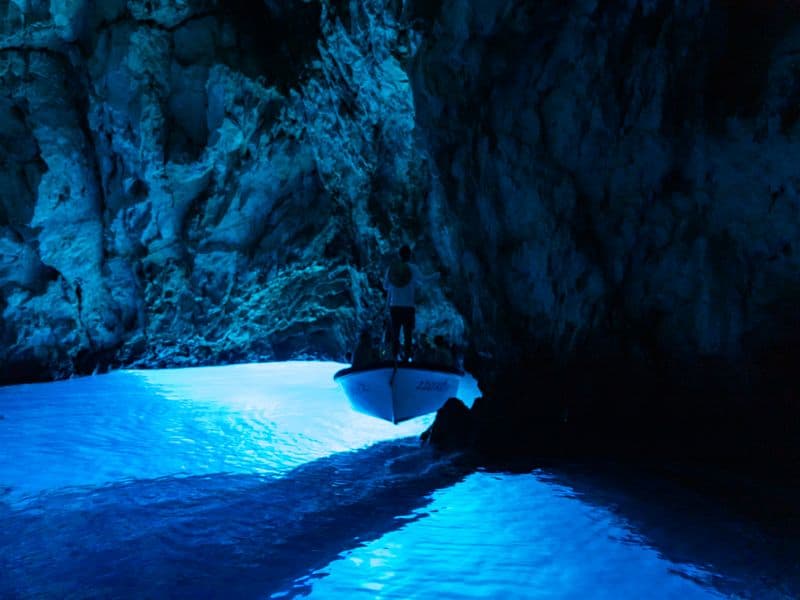
Blue Cave and Pakleni Islands: How to Best Plan a Trip from Split
Plan a perfect day trip by boat from Split. Find out when to visit the Blue Cave, where to swim on the Pakleni Islands, and how to avoid the crowds.
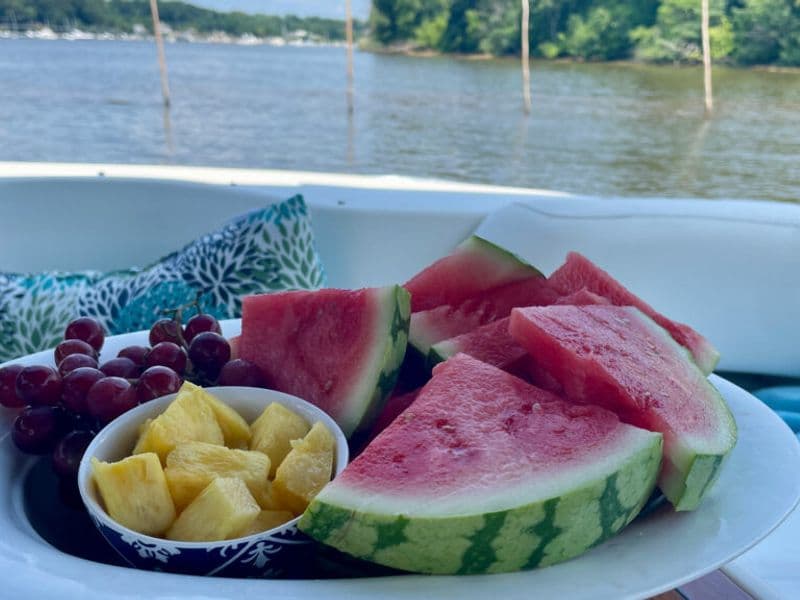
Boat Equipment: What Must You Bring for a Full-Day Sail?
Get ready for the perfect day at sea. A list of mandatory equipment, from sun protection to safety kits, for a worry-free boat rental.
Featured boats
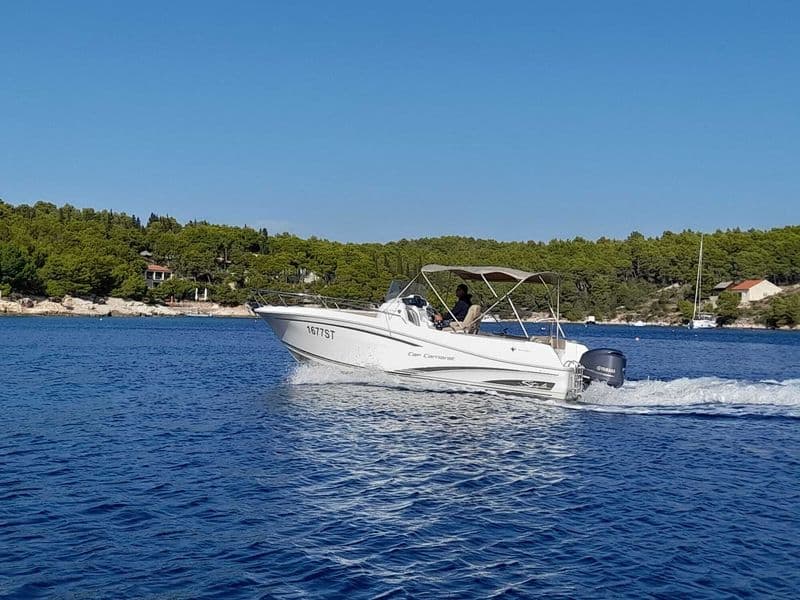 Speedboat
Cap Camarat
Milna Brač
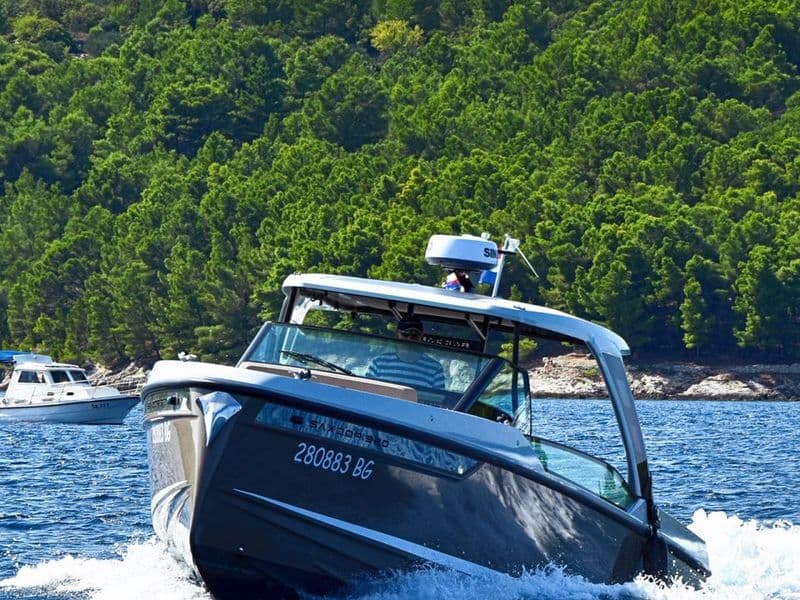 Speedboat
RESPIRATO
Vodice
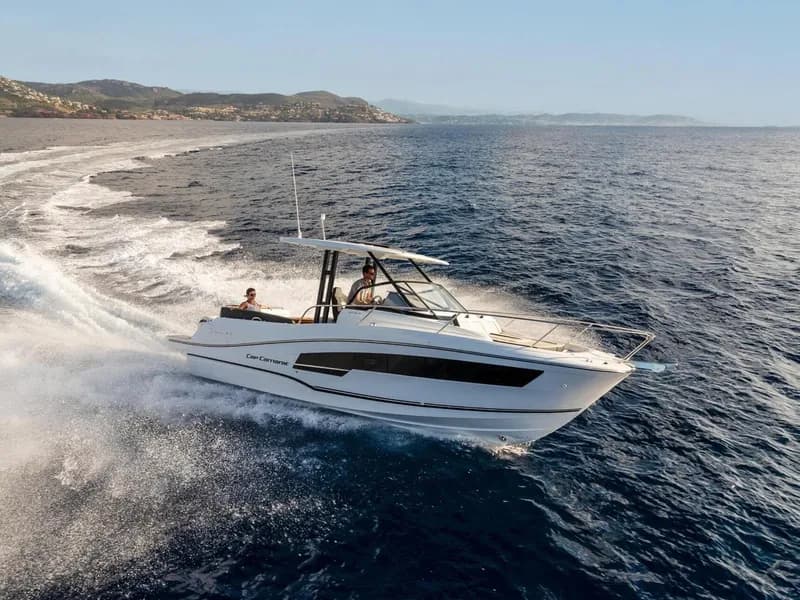 Speedboat
Cap Camarat 9.0 2 Series
Makarska
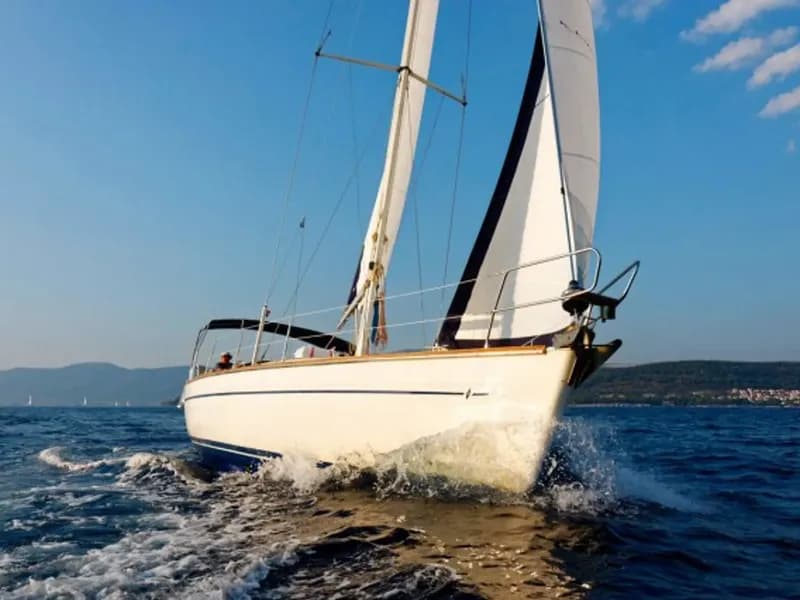 Sailboat
Bavaria 44 – S/Y FREEDOM
Split
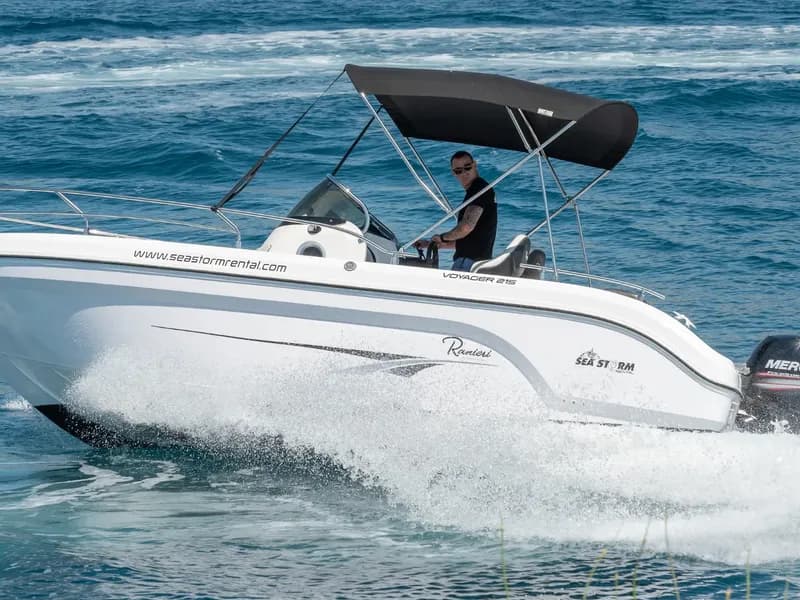 Speedboat
Ranieri Voyager 21 S
Trogir
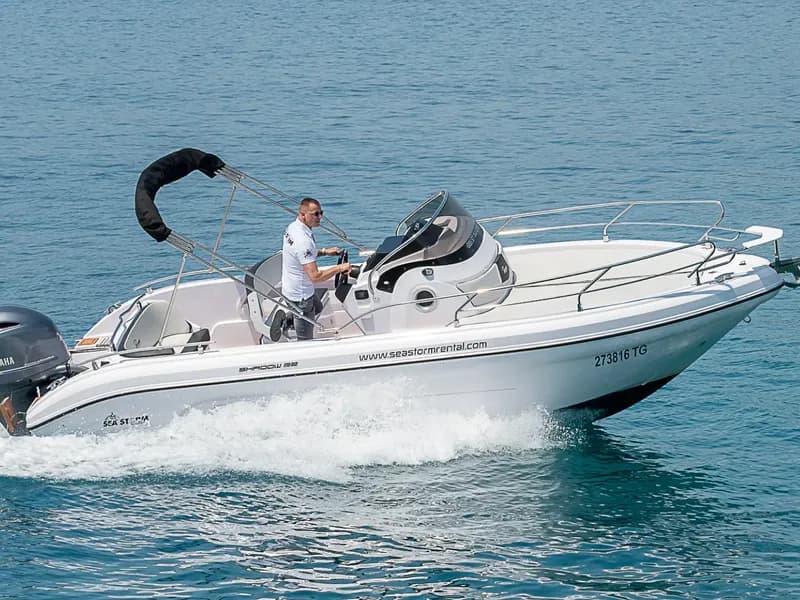 Speedboat
Ranieri Shadow 22
Trogir
Rent a boat in Croatia
View all boats for rent →Featured boat adventures
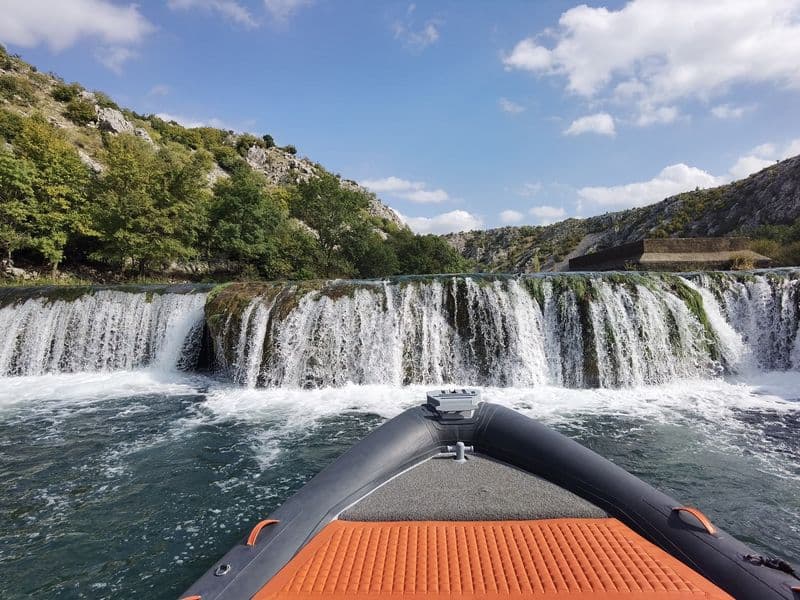
Boat Adventures
Adventures →